

Knitting Your Way to a Healthier Mind

Knitting is much more than just a cozy pastime; it’s a powerful tool for enhancing cognitive health and emotional well-being. Picking up your needles and yarn engages both sides of the brain, offering a unique combination of creativity, focus, and relaxation. Whether you’re a seasoned knitter or a beginner, the benefits of this timeless craft extend far beyond the final product.

A Mental Workout for the Brain

Knitting has been called a “mental workout for the brain” because it is repetitive and structured, engaging both hemispheres. Selecting patterns, choosing colors, and remembering sequences of stitches require concentration and problem-solving. These mental activities stimulate brain function, enhance memory, and improve attention span.

Stress Reduction and Mindfulness

The repetitive nature of knitting fosters a state of mindfulness, similar to meditation or yoga. Focusing on the rhythm of each stitch helps quiet the mind, reducing stress and anxiety. Handling soft yarn and watching your creation grow also provide sensory stimulation, further supporting emotional well-being.

Neuroplasticity Boost

Research suggests knitting promotes neuroplasticity—the brain’s ability to form new neural connections and adapt to challenges. This adaptability is particularly beneficial for older adults, as it helps preserve cognitive flexibility and resilience. By learning new patterns and techniques, knitters can continually challenge their brains, keeping them agile.

Fine Motor Skills and Hand-Eye Coordination

Knitting is also an excellent way to strengthen fine motor skills and hand-eye coordination. For individuals recovering from arthritis, stroke, or other conditions, it can serve as a therapeutic activity. The precise, small movements involved in knitting help maintain dexterity and enhance physical coordination.

Knitting as a Cognitive Shield

Some studies suggest that repetitive, concentration-based activities like knitting may delay the onset of dementia. By combining creativity with focused effort, knitting keeps the brain active and adaptive. This mental engagement can potentially slow cognitive decline associated with aging, making it both enjoyable and protective.

A Hobby That Weaves Wellness

Knitting offers more than just a sense of accomplishment—it provides holistic benefits for the brain, body, and spirit. Whether crafting a scarf, a blanket, or a sweater, knitters can enjoy reduced stress, improved memory, and enhanced focus. So, pick up your needles, choose your favorite yarn, and experience the joy and brain-boosting power of knitting today!
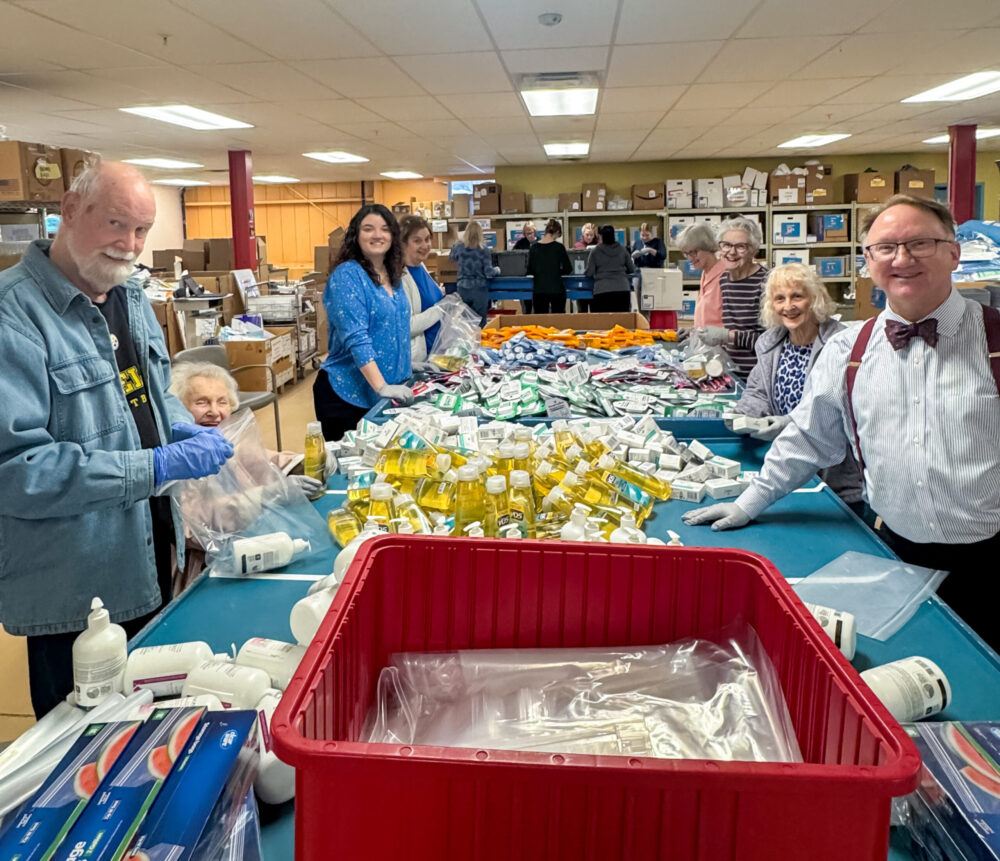

The Value of Volunteering in Retirement

You’ve made smart, strategic choices throughout your life to ensure your financial future by saving, planning, and investing wisely. But as you enter retirement, there’s another kind of investment that’s just as valuable: how you choose to spend your time.

Retirement allows you the privilege of time. So how will you invest and nurture this windfall?

One of the best returns on investment in your golden years is volunteering.

Volunteering isn’t just generous—it’s transformative. It allows you to enrich your own life while improving the lives of others. Research shows that volunteering provides a wealth of health benefits, especially for older adults. It’s a unique kind of investment that pays you back in health, happiness, and purpose.

Here are just a handful of the “dividends” volunteering can yield:

Improvements to Physical and Mental Health
Staying physically and mentally active is key to healthy aging, and volunteer activities keep your body moving and your mind sharp. It is a heart-healthy habit shown to reduce stress, lower blood pressure and blood glucose, and decrease inflammatory markers.
You’ll also experience mental health benefits, like lower rates of depression and anxiety, better cognitive functioning, and a reduced risk of cognitive decline.

Increased Life Satisfaction and a Stronger Sense of Purpose
It feels good to give your time. After retiring, you may find yourself searching for new meaning or direction. Volunteering helps you discover a renewed sense of purpose and personal fulfillment.
It also boosts mood by activating the release of endorphins and dopamine—your body’s natural “feel-good” chemicals.

Fortified Social Connections
If you’re looking to expand your social circle, volunteering gives you the chance to meet new people from diverse backgrounds, share experiences, and build meaningful relationships. These social bonds combat feelings of loneliness and help foster a sense of belonging and community.

Decreased Mortality
Want to enjoy your retirement as long as possible? Volunteering has been shown to lower the risk of early death by 47%, outperforming traditional methods such as eating healthy or regular exercise.

It may sound too good to be true, but these are not the promises of a product or a brand. They are real, measurable benefits tied to something simple yet profound: helping others.

At Providence Point, many residents choose to invest their time in service. They take part in volunteer opportunities both on and off campus—using their experience and passion to serve on committees and boards, lend a hand to neighbors, and support local charities like Global Links and SHIM. It’s rewarding to see how the joy of giving can strengthen a community and enrich life in the process.

So, if you’re wondering how to make the most of your time in retirement, consider giving a little of it away. In the end, volunteering isn’t just a smart investment—it’s one of the most fulfilling ones you’ll ever make.

Resources:
Achieving Excellence in Fundraising, Chapter 5: “The Joy of Giving,” by Sarah Konrath
Mayo Clinic Q and A: Health benefits of volunteering – Mayo Clinic News Network
Explore The Transformative Power & Many Benefits of Volunteering